Planning a château wedding near Paris: a guide for couples
How to plan a château wedding near Paris from abroad: the legal side, when to marry, getting guests out of the city and how the weekend works.
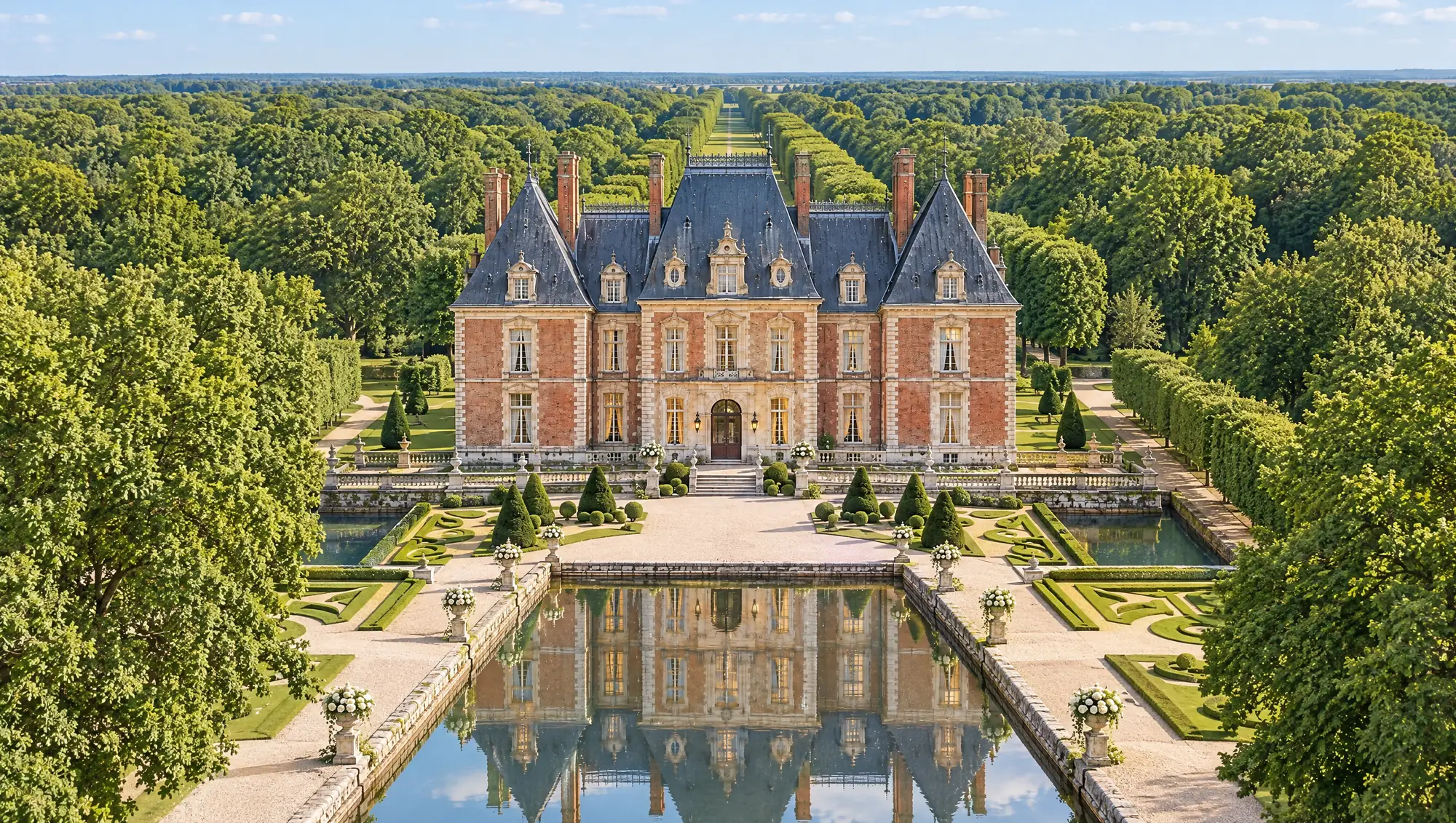
For a lot of couples, a wedding in France starts with Paris. It is easy to reach from almost anywhere, guests are happy to make a trip of it, and the city carries a romance that nowhere else quite matches. The catch is that marrying in Paris itself is expensive, crowded and hard to keep private. A château an hour outside the city gives you most of what you came for without those problems.
This guide covers the decisions that matter most, in the order most couples make them.
A wedding in Paris, or near it?
You can hold a reception in Paris: hotels, restaurants and private mansions all host weddings. What you rarely get is space. Ceremonies outdoors are difficult, guests are spread across the city, the evening usually ends at a fixed time and the venue is rarely yours alone.
A château near Paris works the other way round. You have the whole place, often with rooms for your closest guests, a park for the ceremony and nobody asking you to wind down at midnight. Paris is still close enough for a day of sightseeing before or after, and for guests who would rather stay in a city hotel.
Many couples combine the two: a welcome evening or a day out in Paris, then the wedding itself at the château.
The legal side
A legal marriage in France takes place at the town hall (the mairie), conducted by the mayor or a deputy. One of you usually needs to have lived in that town for around 40 days beforehand, and there is paperwork to translate and file in advance.
For couples who live abroad, this is rarely practical. Most marry legally at home, often a small ceremony a few days or weeks before, and then hold a symbolic ceremony at the château. A symbolic ceremony has no legal requirements, so you can write it yourselves, ask a friend to lead it and hold it wherever you like, from a garden allée to a candlelit salon.
When to get married
The region around Paris has a milder, less predictable climate than the South of France, which changes how you plan:
- May and June: long evenings and fresh green parks. The most popular months, so the best dates go early.
- July and August: warm, with the longest days. Paris empties in August as locals go on holiday, which can make the city quieter for visiting guests.
- September: settled weather and softer light. Many couples think it is the best month of the year.
- October to March: cooler and darker, but this is when candlelit interiors come into their own. Ask whether the ceremony, dinner and dancing can all happen indoors, and whether the rooms are heated.
Whatever the month, plan an indoor option for the ceremony. Rain is possible at any time of year.
Choosing a château
When you compare venues, these questions matter more than the photographs:
- Exclusive use: is the whole château yours, or are there other events or hotel guests?
- Capacity: how many guests can sit down for dinner, and how many can stay overnight?
- The wet-weather plan: where does the ceremony move, and does it still feel special?
- Timings: how late can music run, and is there somewhere to carry on afterwards?
- Suppliers: do you have to use the venue’s caterers, and can you bring your own planner and photographer?
- Transport: how far is it from Paris, the airports and the nearest station?
Getting your guests there
Paris is one of the easiest cities in the world to reach, which is a big part of its appeal.
- From the UK: the Eurostar runs from London to Paris Gare du Nord in about two hours twenty minutes, and there are frequent flights to both Paris airports.
- From further away: Charles de Gaulle has the most international flights. Orly is often closer to venues south of the city.
- From Paris to the château: trains from central Paris stations reach many nearby towns in under an hour, with a short transfer at the other end. On the day itself, a coach from a central hotel is the simplest option for everyone.
Send guests clear travel notes early, with the times of any coaches you arrange. People who are not used to French trains appreciate knowing exactly which station to go to.
How a wedding weekend works
Because guests travel to be there, most château weddings near Paris run over a weekend rather than a single day:
- Friday: guests arrive, often after a morning in Paris. Drinks and an informal dinner.
- Saturday: the ceremony in the late afternoon, drinks outside while the light lasts, dinner, speeches and dancing.
- Sunday: a late breakfast or brunch before everyone heads back to the city or the airport.
If most guests are staying in Paris, a single-evening wedding with coaches in both directions works well too. Ask the venue whether it offers both.
Where to start
Settle three things first: roughly how many guests, which season and whether you want guests staying with you or in Paris. With those in hand, you can check dates at the venues on your shortlist and the rest of the planning follows from there.
Common questions
- Can foreigners get legally married in Paris?
- Yes, but a legal French marriage takes place at the town hall, and one partner usually needs to have lived in that town for around 40 days first. Most couples from abroad marry legally at home and hold a symbolic ceremony in France.
- How far are château wedding venues from Paris?
- Many are within an hour or so of the city, in the forests and river valleys of the Île-de-France. That is close enough for guests to stay in Paris and come out by coach on the day.
- What is the best month for a wedding near Paris?
- May, June and September are the most popular, with long evenings and mild weather. Autumn and winter weddings work well at a château with good indoor rooms, and dates are easier to find.